
The Threat Facing MOTH Club
Written by R. Loxley
East London’s legendary MOTH Club is fighting for its future. The former servicemen’s club turned renowned grassroots music venue is threatened by two separate planning proposals submitted to Hackney Council to build blocks of flats immediately next door, even overlooking MOTH Club’s smoking area and backing onto its stage wall, guaranteeing noise conflicts.
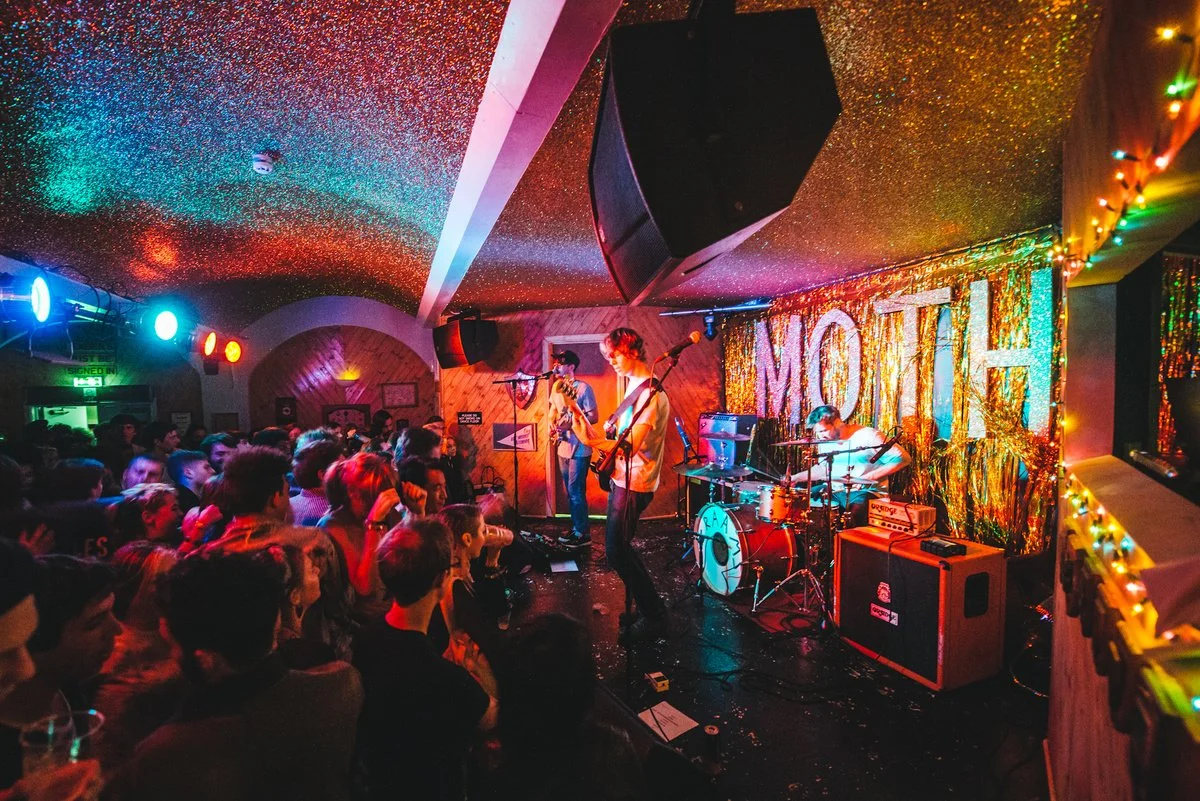
Under current regulation it would fall on MOTH club rather than the new developer to undertake costly soundproofing or face noise abatement orders. Through no fault of their own this thriving venue could be forced into closure due to external development pressure it has no power to prevent.
MOTH Club is a cornerstone of Hackney’s cultural scene. First opened in the 1970s as an ex-servicemen’s club, it was rejuvenated in 2015 as a music, comedy and arts space with an iconic gold-tinsel stage curtain, giving countless emerging local artists their start as well as hosting intimate gigs by major stars before they hit the big time. The likes of Lady Gaga, Jarvis Cocker, Dave Grohl, IDLES & King Gizzard & The Lizard Wizard have all graced MOTH Club’s tiny stage, and the venue is famed for its eclectic programming. Together with other nearby venues MOTH Club makes Hackney a thriving hub for grassroots music and the arts with a warm, community-driven atmosphere. Losing the club would be a devastating blow not only to music fans, but to Hackney’s entire identity and reputation.
In response to the development, nearly 25,000 people have signed a petition urging Hackney Council to reject the proposals. This is an overwhelming show of support from local residents, music fans, and the broader music community including a who’s who of prominent artists and industry figures all standing behind MOTH Club.
Importantly though, this campaign isn’t just about stopping development in Hackney. MOTH Club’s situation shines a spotlight on a wider issue endangering music venues nationwide. Venues like MOTH Club must be protected.
To understand why the venues future is at risk it’s important to grasp the perverse situation that many venues find themselves in under current laws. A vibrant music venue can operate for years and decades without issue until a developer puts up new luxury apartments next door. Residents move in and discover they can hear late-night crowds and start complaining. Incredibly, the onus is on the pre-existing venue to resolve these complaints despite being there first and operating at legal sound levels. Councils can issue noise abatement notices or impose curfews and costly soundproofing requirements on the venue, rather than on the developer who built homes next to a beloved and well-known music spot. This scenario has played out repeatedly. Often these residential buildings only go up next to an existing venue because the venue itself made a previously run-down neighbourhood desirable. Venues are being punished for a situation created by developers and town planners, not themselves.
In the case of the Morning Lane flats, the developers’ noise assessment fails to mention the venue at all, but under today’s framework nothing forces the developer to fix it. If the flats are built and residents complain, MOTH Club could be told to retrofit their beautiful 50-year-old building, an expense that could easily put the venue out of business. The UK lost an average of two grassroots music venues per week in 2023, and nearly 35% of such venues have closed in the past 20 years. Without better protections cherished venues like MOTH Club will continue to have their backs up against the wall through no fault of their own.
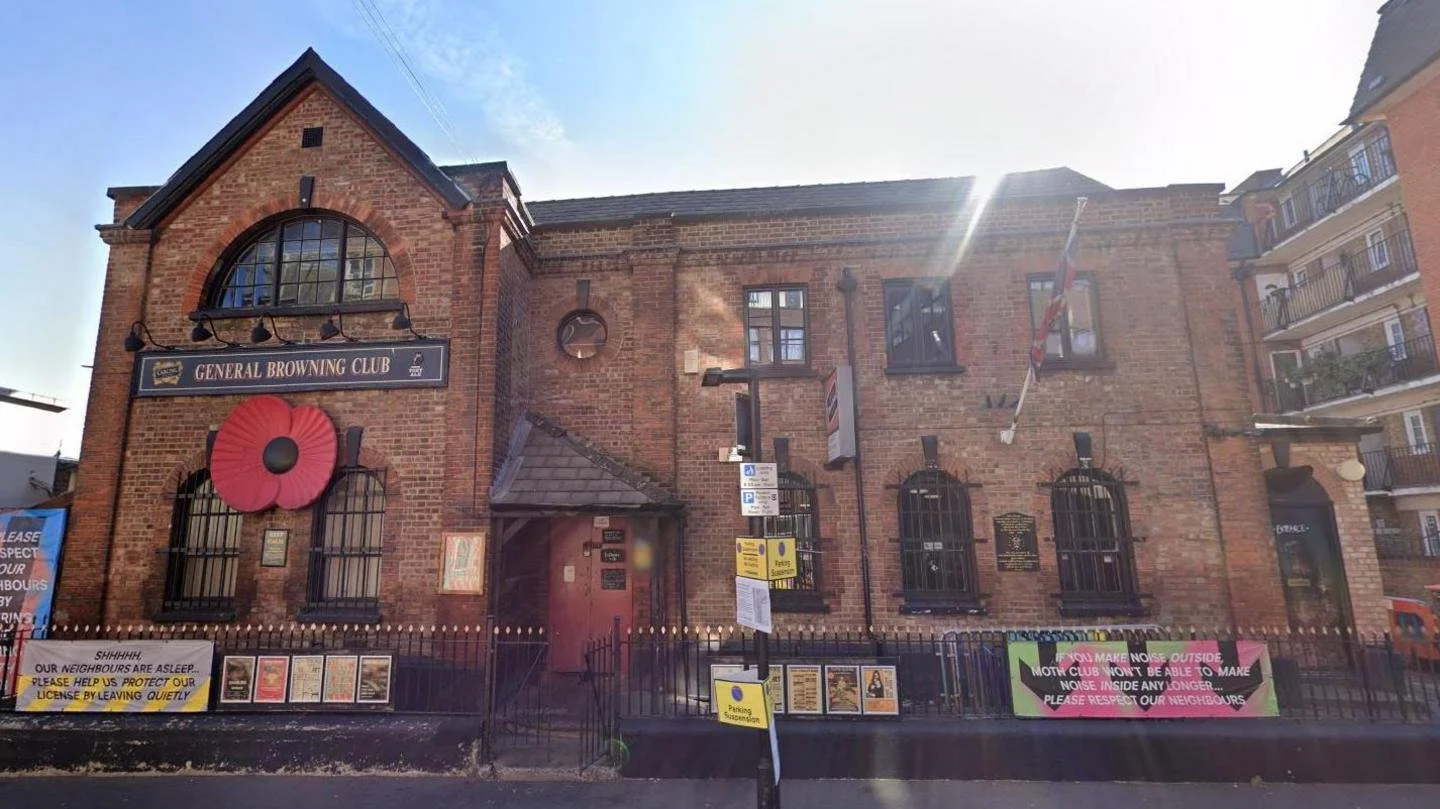
For venues like MOTH Club, enshrining the Agent of Change Principle in law would be game-changing and prevent these conflicts at the planning stage. If made law, Agent of Change would flip the script so developers of new residential buildings would be required to design and build adequate soundproofing to mitigate sound issues before people move in, and build flats that are insulated well enough instead of forcing the venue to turn its volume down. Crucially, if complying with these noise requirements makes the development financially unviable, then the developer will go elsewhere, something they currently have no incentive to do. Agent of Change must become a rigorously enforced part of planning nationwide, not a mere recommendation.
Encouragingly, the campaign to protect these venues has gained political traction with the UK government announcing plans to put Agent of Change on a statutory footing with a package of licensing and planning reforms aimed at bolstering nightlife and hospitality. The government is finally poised to introduce the Agent of Change principle into national planning and licensing policy, but industry advocates are watching closely to ensure this isn’t just lip service. Local councils must be directed to enforce strict noise mitigation on developers and hold them accountable. It’s not enough to require soundproofing on paper, the councils must be ready to intervene before the buildings are occupied.
MOTH Club’s predicament is far from unique. Across the UK, small venues and nightclubs are threatened by property development and gentrification from city-centre music bars to suburban pubs. Many beloved spaces have already been lost to luxury flats or corporate investors. The fight to save MOTH Club isn’t just about one venue, but is part of a broader movement to preserve the UK’s cultural infrastructure, and you can make all the difference:
SIGN THE PETITION
Spread the word
Go to a show or 3 at MOTH Club
Join MVT as a monthly supporter

MOTH Club has brought joy to thousands and now it needs our help. By rallying around the venue and showing up for gigs we can help them continue to thrive for generations to come. Venues first, developers second. Let’s act now.
