
New Year’s Resolution: Wear a Band Tee Every Single Day
Written by R. Loxley
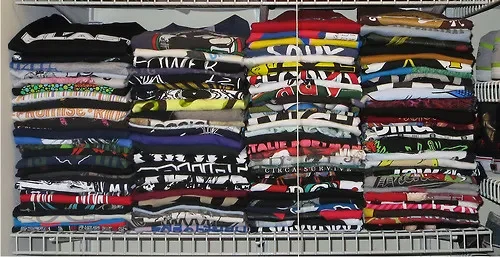
If you truly care about the survival of grassroots music, your drawers should be overflowing with band T-shirts. Not as a fashion statement, but as a direct response to the stark new reality in the music industry.
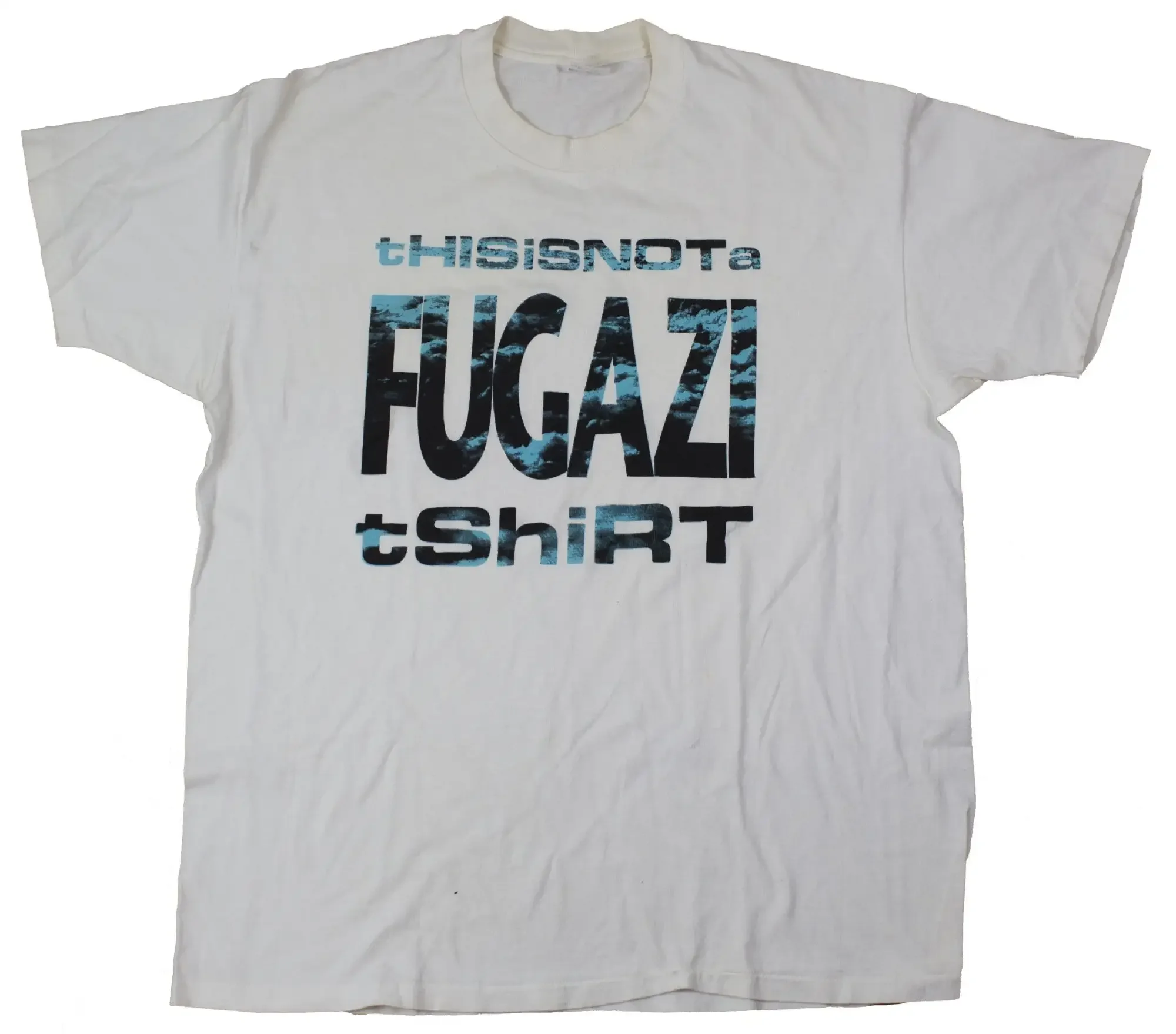
It wasn’t so long ago that punk and DIY bands viewed merch with suspicion. In the late 70s and early 80s Crass refused to produce any official merch on principle, seeing profiting off their logo as incompatible with their message. Fugazi had as strict no-merch policy and kept ticket prices dirt-cheap with no T-shirts, even mocking the consumerism behind band merch in their song Merchandise. To this day, you cannot buy an official Fugazi shirt because they never made any. Fugazi’s frontman thought that turning fans into walking billboards was wrong. In the 90s major bands were derided for selling loads of t-shirts, and selling out was synonymous with cashing in on fan loyalty with merchandised trinkets, something a true artist would never dare do.
Today merch is survival. Record sales have plummeted and streaming pays fractions of a penny per play, and 10,000 listens won’t buy you a sandwich. A single t-shirt sale will eclipse thousands of streams in tangible income.
Buying a band t-shirt puts more money in the artists pocket than obsessively streaming their album all month. By some estimates merch now accounts for roughly 70% of an independent artist’s income on average. After the lockdowns, artists eagerly met the road again only to face skyrocketing costs. Inflation and supply-chain issues drove up the price of fuel hotels, vehicle rentals, and every other touring expense whilst audiences became less quick to buy concert tickets due to cost-of-living pressures. Tours are more expensive to run and the financial returns are more uncertain.
For mid-level and small artists touring was always a labour of love with thin margins, but now it’s a break-even or money-losing venture unless merch sales are strong.
The guarantees or ticket splits a band earns for performing might barely cover the van rental and petrol, and the profit that actually keeps them afloat comes from the merch table at the back of the room. Every time you buy a t-shirt, you’re putting petrol in the tank for the tour to continue. Notable acts like Little Simz have cancelled tours due to the harsh economic reality that meant they would lose money after paying for crews, travel and production. Even established artists at their peak are struggling to make touring viable. Every hoodie or patch you buy matters and makes the difference between the band coming home with a profit or going into debt.
Putting on a band t-shirt is no longer just a way of repping your taste, it’s actively sustaining that band’s career with a micro-investment in the artist, so buy the merch and wear it proudly! It’s no exaggeration to say that for many independent artists, merch sales are the reason they’re able to keep making music at all. The old punk heroes refused to sell t-shirts because they didn’t want to milk their fans, but today buying merch is the best act of solidarity there is. So budget for the merch table when you go to a show and build a collection. Wear your values on your sleeves.

