
The Spiritual Sound of Ecstatic Black Metal by the band Agriculture
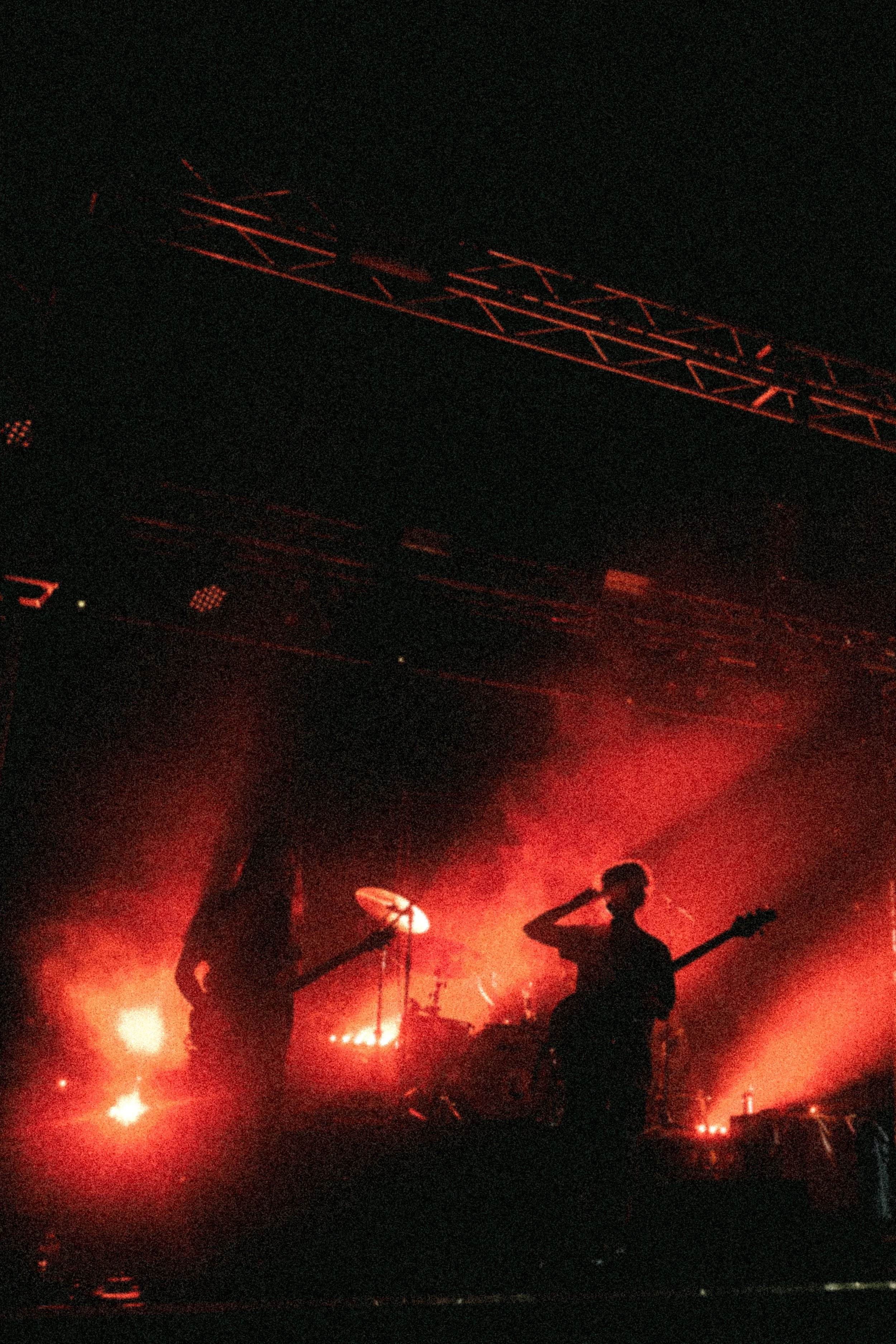
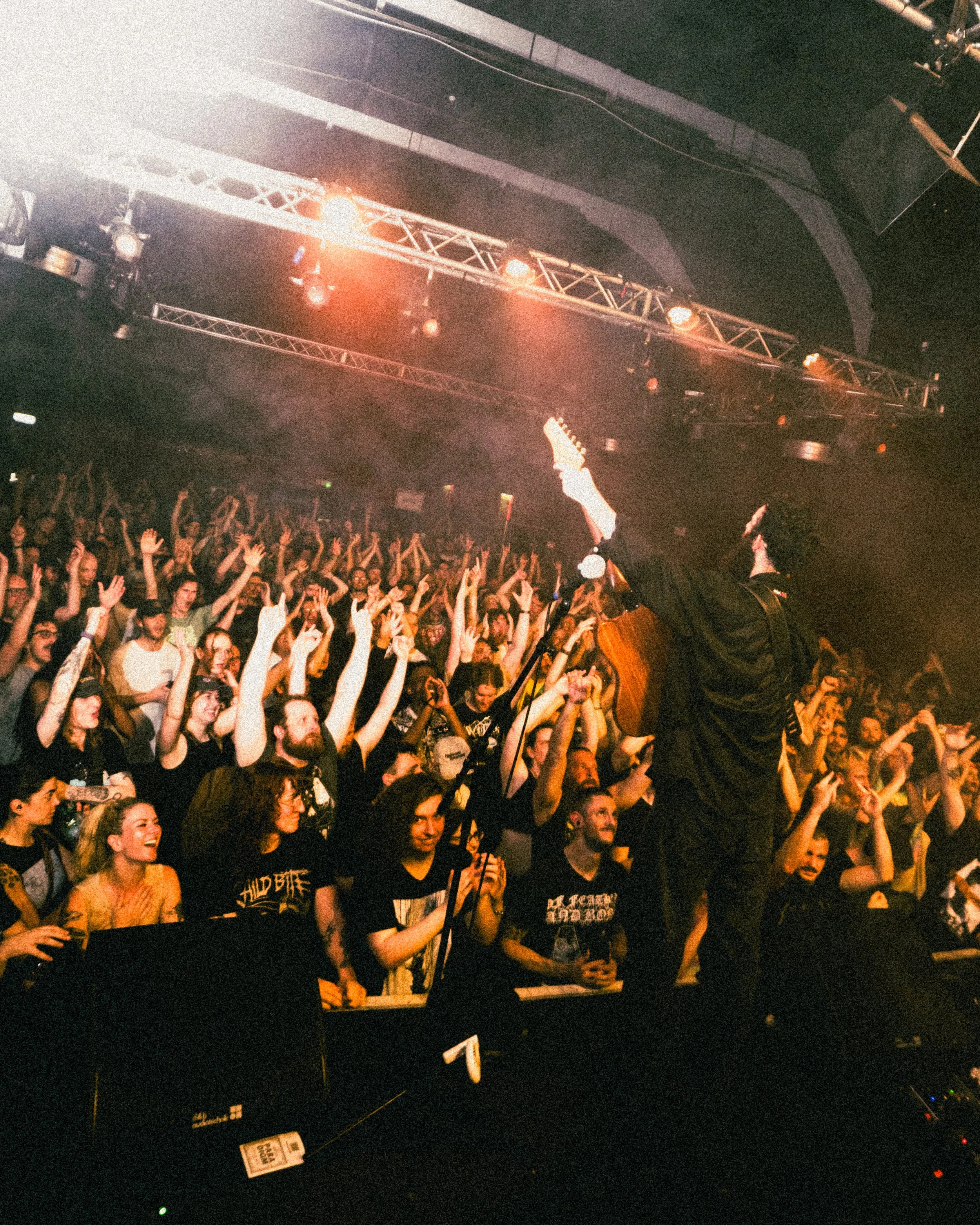
All photography shot by Murry Deaves at Agriculture’s sold-out headline show at The Dome, 23rd June 2026
Both a mission statement and a self-parody, the description ‘ecstatic black metal’ is both sincere and absurd. None of the band are black metal diehards, and with backgrounds in noise, punk, thrash and jazz Agriculture are a band of four people arriving from four completely different directions to produce a sound quite unlike anything else. Formed in Los Angeles, the foundation of their sound was laid down on 2022’s The Circle Chant before being expanded and deepened on their 2023 self-titled full-length and 2024’s Living Is Easy. Their phenomenal second album The Spiritual Sound has since gained them global acclaim.
Guitarist/producer Richard Chowenhill is trained as a classical composer and is responsible for most of the jaw-dropping Van Halen shred theatrics on The Spiritual Sound. Bassist/vocalist Leah Levinson hammers home each of her songs with throat-shredding screams and intense lyrics grounded in the reality of queer struggle whilst guitarist/vocalist Dan Meyer claws his way through Zen Buddhism and the grief of war. All the while Kern Haug’s jazz-inspired eruptions drop from super-fast blast beats to a funeral doom pace with no click tracks and tremendous intensity. Bodhidharma in particular opens with an enormous riff and a scream before stopping dead, delicate as a whisper to produce one of the most jaw-dropping moments in modern metal. Pitchfork proclaimed The Spiritual Sound one of 2025’s most daring metal albums and The Guardian gave it five stars. With a recent UK and EU tour under their belt including a spellbinding and sweat-drenched sold out show at The Dome, we had to hit up Agriculture to find out more.
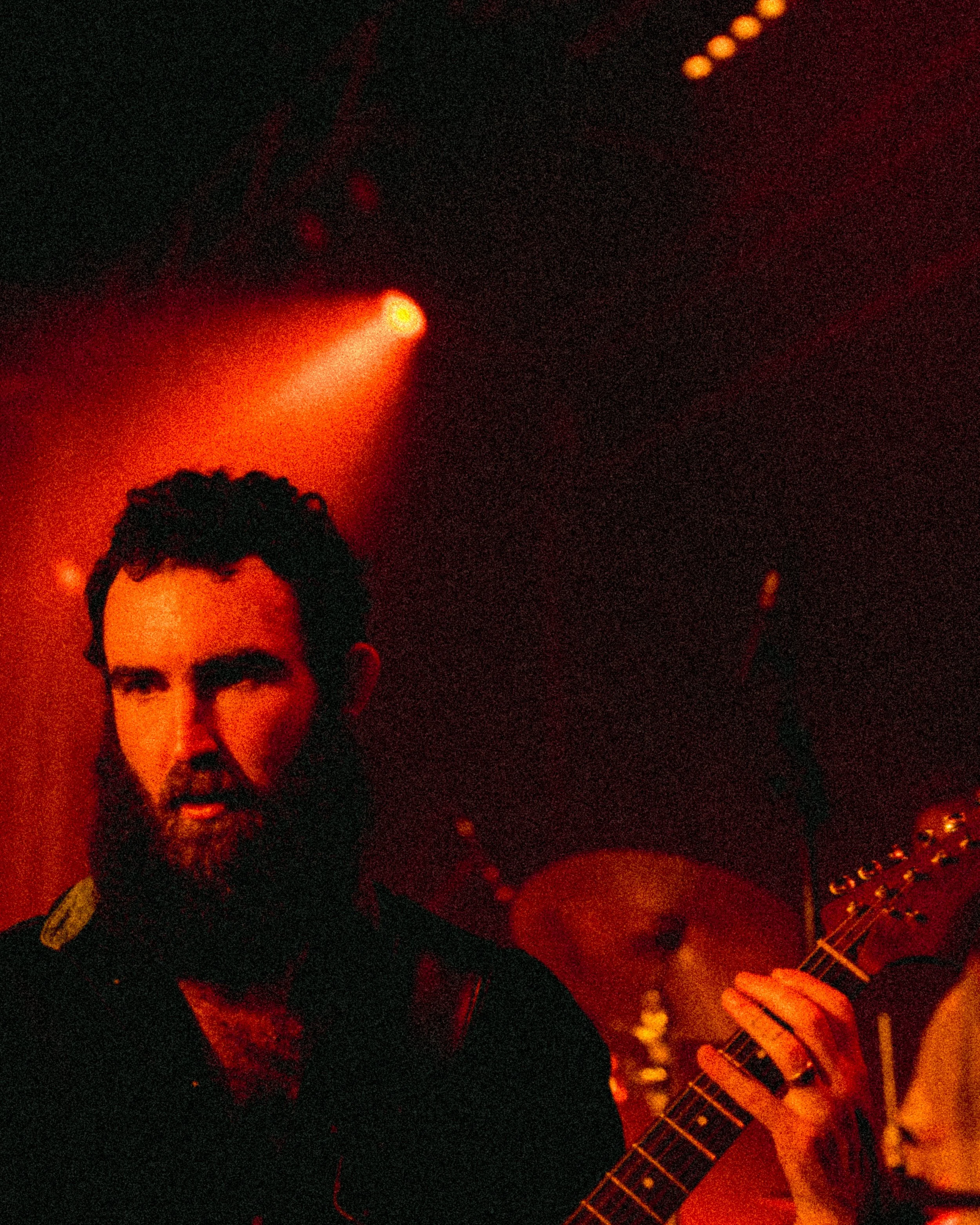
Let’s start by talking about the label ‘ecstatic black metal’. How seriously do you take this descriptor?
Kern: No one should take any label too seriously. It’s like the tasting notes on a bag of nice coffee: they’re there to give you a general idea of what you’re getting into, that’s all. They’re not a rule to be abided by, in fact they’re totally subjective, and you’re allowed to taste it however you want and have your own experience. Maybe you will be mad and say “THIS TASTES NOTHING LIKE BAKED PEAR!!” but I dunno, it did to someone else, what’s the big deal? Are they being pretentious for writing that tasting note? Are you being pretentious for thinking you know better what that person experienced?
Richard: I think there’s some truth in the descriptor for sure. I often experience feelings of great ecstasy when playing music, and also while listening to music, and those feelings are often triggered by extreme sounds including those found in black metal. It's funny, ever since I was a kid, there have been a lot of “extreme metal” sounds that I associate with joy and excitement. I’m not even entirely sure what that’s all about; I suppose there are just certain presentations of the harmonic series that tickle my brain in a particular way, and those complex spectra are often found in music with heavy electric guitar distortion. The speed and precision of the playing in extreme metal has always been exciting to me as well, so there’s that. But genre labels are funny, probably more useful for organising the inventory of a record store than anything else. I think that at the heart of each of our compositional practices, we tend to be genre agnostic. Genre titles should be descriptive, never prescriptive.
Did you have any key musical reference points or inspirations when making The Spiritual Sound?
Richard: Whatever material we are working on typically becomes the key reference point for me. That is to say, when writing parts, and producing, I often ask myself “What is this song doing? What does it want to say?”, and I find this useful in guiding my intuition. But of course, there are also the things that are swimming around in my head when we are working on something, and often the piece we are working on triggers a memory of some other piece. While we were working on The Spiritual Sound, I was revisiting some old personal favorites, including Ligeti’s second string quartet, Crumb’s Black Angels (for electric string quartet), and Hate Crew Deathroll, my favorite Children of Bodom record. As a result, some elements of those pieces made their way under my fingers. Some of the fast, chromatic lead parts I play in My Garden, for example, feel indebted, in retrospect, to the aforementioned string quartets.
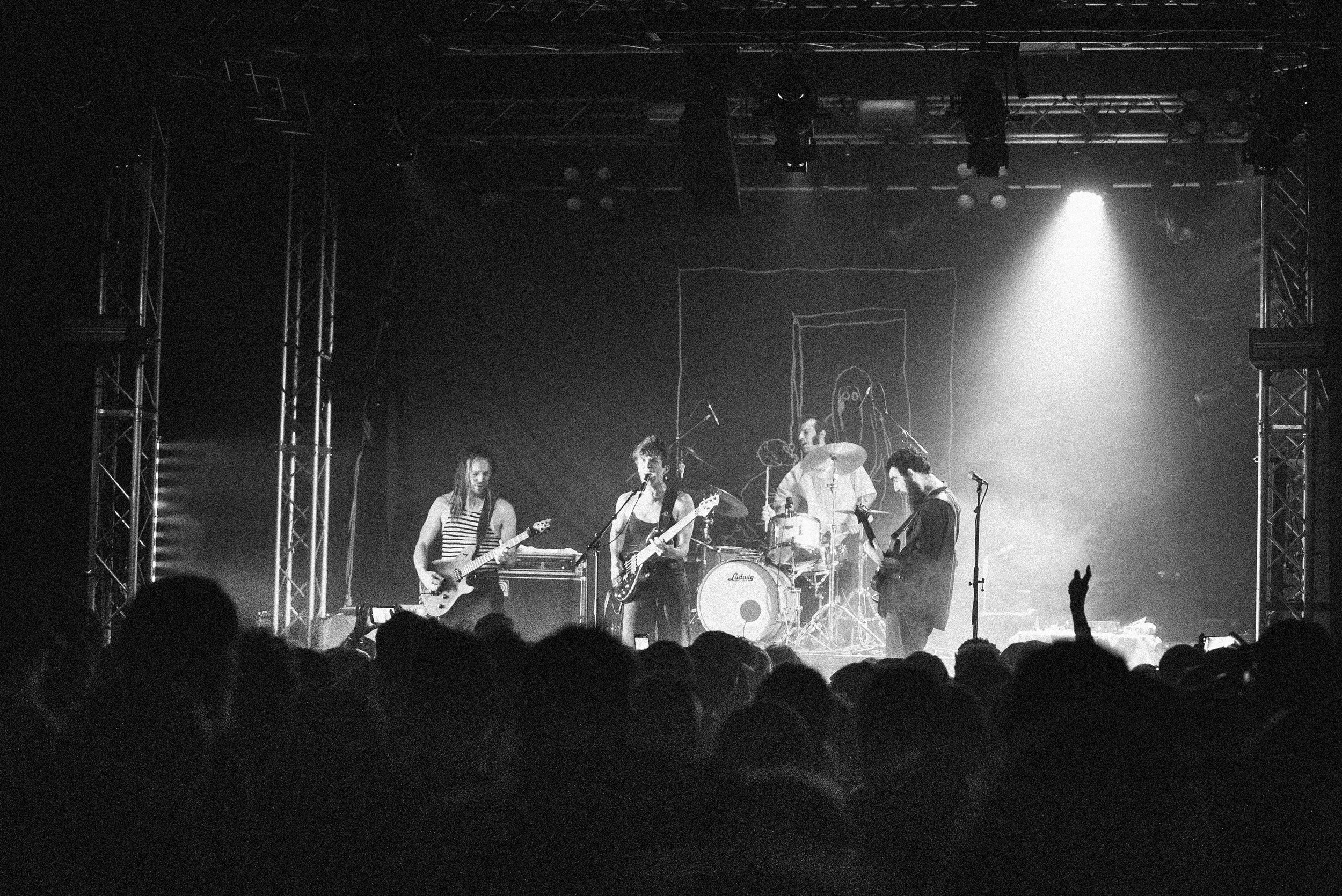
Agriculture make and perform music that comes across as extremely sincere whilst also acknowledging the inherently ridiculous theatricality of extreme metal. Can you talk about the balance between the two?
Richard: Something I like to remind myself of on a regular basis is that while it is important to take your work seriously, it is also important to not take yourself too seriously. I find this reminder to be a useful guide, especially when it comes to performance. We all care so deeply about the music, and about transmitting the music in a way that conveys big feelings, but it is also important to acknowledge the absurdity of everything, and ideally to have some fun while doing it.
What scenes were you all part of before coming together as Agriculture?
Kern: Speaking for myself, I’m just as much a part of the same scenes I was in before Agriculture as I am in during Agriculture. I’m excited about how much experimental music is always going on in LA, and that’s a broad umbrella use of “experimental”. On first Thursdays there’s a noise show at a karaoke bar in Hollywood called Prime Time Pub, at Zebulon they’re regularly hosting eclectic music from around the world. Just down the street from there are frequent shows hosted outside along the LA River. And a handful of my friends are pretty regularly hosting house shows for DIY bands of all sorts. Since starting Agriculture I’ve released over 28 albums of improvised music with various musicians around LA and abroad - there are so many people to play with. I’m really encouraged by the experimental music scenes in LA, which I’m seeing as ranging from harsh noise, to improv music, to weirdo rock, and I see that as still influential on Agriculture’s sound.
Richard: I grew up in the East Bay, and when I started playing live as a kid it was in the Bay Area’s hard rock/heavy metal/thrash scene. Later, starting in my early twenties, I began to split my time between writing music for the theatre, writing music for the concert hall (contemporary classical music), and writing and performing in the experimental metal/noise/free-improv scene on the East Coast (primarily in the Boston area, where I was living at the time). So perhaps on a Friday, I would play a show with my other band Ehnahre (experimental extreme metal), on Saturday I would have a new concert work being premiered, and on Sunday I would attend a concert featuring the music of Gérard Grisey.
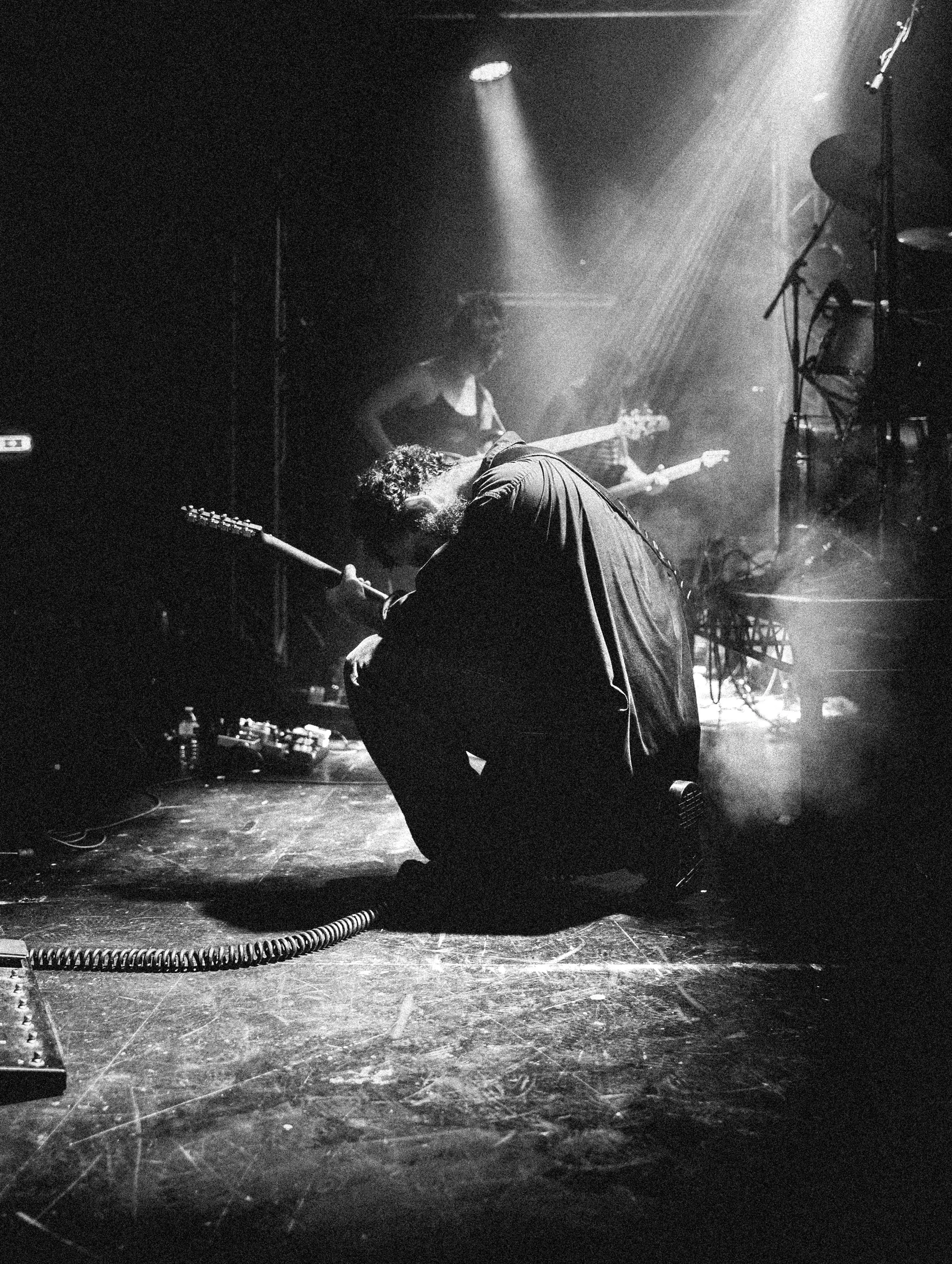
What was the initial goal when you formed the band, and has that original vision changed?
Kern: For me, the goal was to be a good band that signed with a cool label and got to go on fun tours. In general my life goal has always been to “do fun projects with my fun friends” and so Agriculture fits into that, and that’s still a guiding force in my life.
Richard: My goal was to make music I cared about with people that I cared about, and to take that as far as possible.
Do you think it changes your process having Richard as producer as well as a band member?
Kern: It’s the only process we’ve known as a band. But, having had experience with other bands I can say that it opens up possibilities. We never have to be nervous about asking for too much or wasting the producer’s time. Richard is always interested in exploring every idea.
Richard: For me, everything is composition, especially when it comes to making records. The placement of the microphones, the performances, the way a mix is assembled, the tonal balance of a master; these are all vital components of the work of art that is a record, and therefore it is my feeling that everything should be carefully considered. Whether the decision is to let something live exactly as it was recorded, or to edit it into a particular shape, each choice contributes to the final form of the piece. I find this holistic approach particularly useful with Agriculture, because everyone in the band thinks like a composer. We are all interested in fiercely pursuing the sounds in our heads, and this is something that I love to do, and to make possible for others to do. We make records the way we want to make records, in my studio, the four of us sitting in the room, trying things out, expressing feelings, sharing thoughts, and allowing ourselves the freedom to explore. When I was a kid I often used to wonder what it would be like to make records with complete freedom and access, and since then I’ve moved through life in pursuit of that goal. There are, of course, the real-world issues of hitting deadlines and whatnot, but more often than not I find that taking five extra minutes to try out a crazy idea actually saves time in the long run. Either the idea works and you’ve hit upon something really good, or it doesn’t work and you never have to think about it again. No regret, no resentment, just clarity and flow.
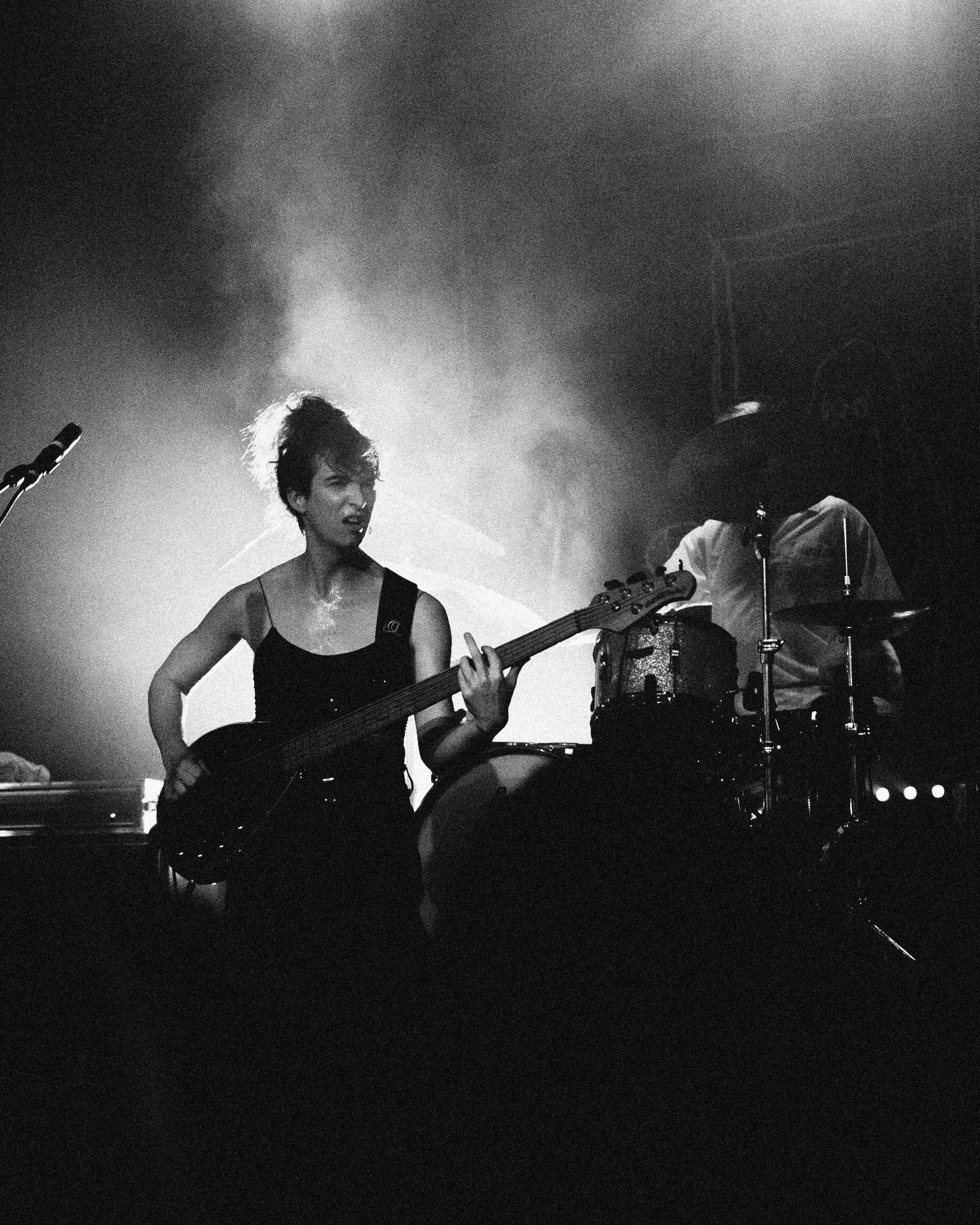
Your live show contains a lot of volatile improvisation that feels like it could go right off the rails. Are Agriculture determined to never use click tracks or anything prerecorded?
Kern: That “could go off the rails” feeling is primarily what excites me about any live performance, whether it be a rock band, comedian, actor or writer. We love operating in that space, so I think we’re hoping to develop an audience that is more excited to see that than they are to see a perfectly faithful execution of the recording they know.
Richard: There’s something so compelling about a group of people on stage, making all the sounds you hear in the room. It is, by its very nature, fresh and dynamic. You get to see the performers thinking, negotiating, improvising, discovering, and that on its own is just so cool. Right now, that is the mode of performance that we are interested in. The way we are currently performing music doesn’t necessitate the use of a click track or any backing tracks. I don’t know what the future holds, and I know that some types of shows rely on those tools. But right now, we are having fun getting deeper into our exploration of spontaneity and improvisation.
Where have been some of your favourite places to play in the UK?
Kern: London shows are always the biggest and most packed, which is always a good feeling. But the 2 week UK tour we did really took us to some new places, I loved seeing the rest of the country. I find the UK super charming. Bristol, Brighton, and Newcastle were all new to me, I liked walking around those places. Everyone in Glasgow is super welcoming and friendly. But while our shows have been fun in Manchester, whenever I walk around I’m confused by it. I’ve read too many books about The Fall and have this over romanticised idea of young post-punk lads hanging in the pubs and being creative, and I never see that there. I have to remind myself the 80s was like half a century ago, times have changed.
Richard: I always love playing in the UK. We have played at some beautiful venues, and had the opportunity to work with immensely talented crews. And the audiences are always so generous. At this point I have to say that every place we have played in the UK has been special in some way.
What is the ultimate goal of Agriculture?
Kern: I don’t think any of us think of the band as having a goal. Like, we have goals FOR the band, like, “let’s tour Japan” or “let’s start jamming more at shows” but I don’t think the band has a goal like “end suffering” or something. Like, hey, if a band could change the world, that would be cool. Like how in Metalocalypse the world waits on the release of the latest Dethklok album. But I think in our universe, things work more subtly…and you make the art you make because it truly connects to you, and by laws of probability, you are not the only person this will connect with. And it feels really good to find work you connect with, that feels personal to you even though the person who made it doesn’t know you at all, but you both know and love something together… So if we keep making music that we really connect with, we can keep connecting with others, and there’s a lot of positivity in organizing around aesthetic principles. People often complain about the extreme subjectivity of the art world, but I think that’s its power: a group of people are deciding for themselves what is valuable. It’s empowering to organize around your own aesthetic preferences, because there’s no right or wrong way to do it. You just hopefully find other people with your shared values.
Richard: It differs for each of us in some ways, but for me I can say that the ultimate goal is to make meaningful music, play for as many people as possible, spread joy and fellowship, and have a really good time doing so.